egr314-team308.github.io
Component Selection
Op Amp
| Solution | Pros | Cons |
|---|---|---|
Op Amp. Part No. BD1321G-TR Price: $ 0.69 Each |
|
|
Op Amp Part No. 2156-OPA234E-ND Price: $ 1.00 Each |
|
|
Op Amp Part No. 505-AD8630ARZ-ND Price:$ 9.21 Each |
|
|
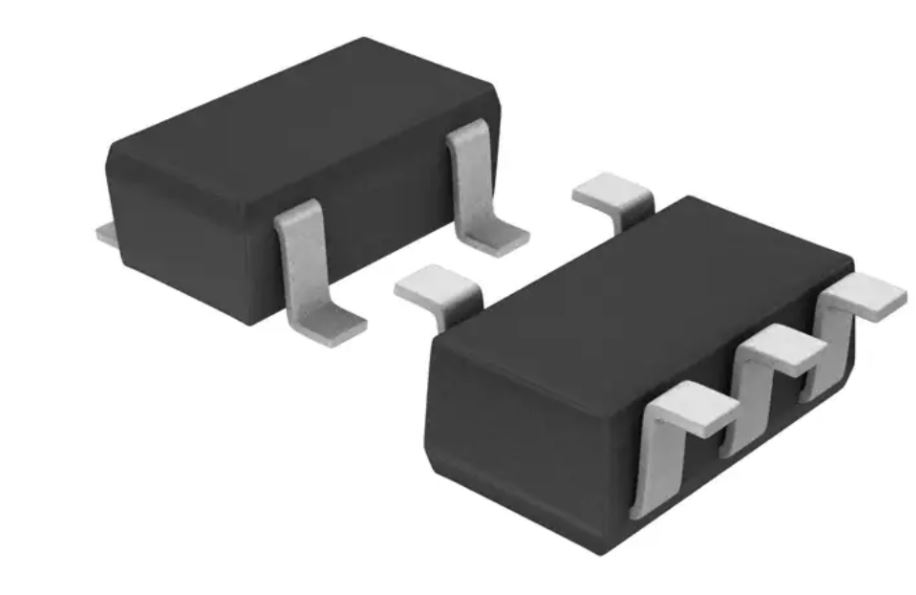
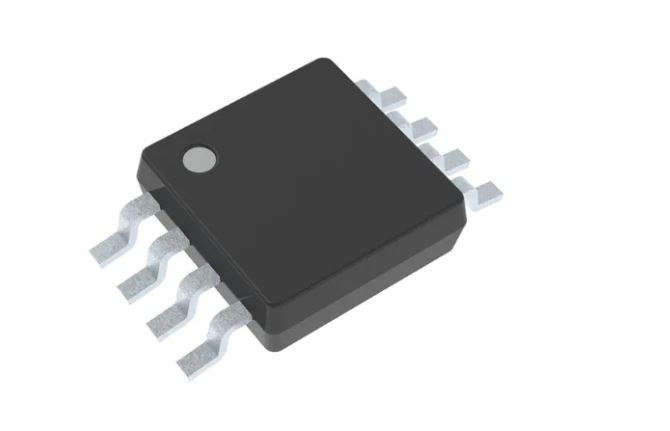
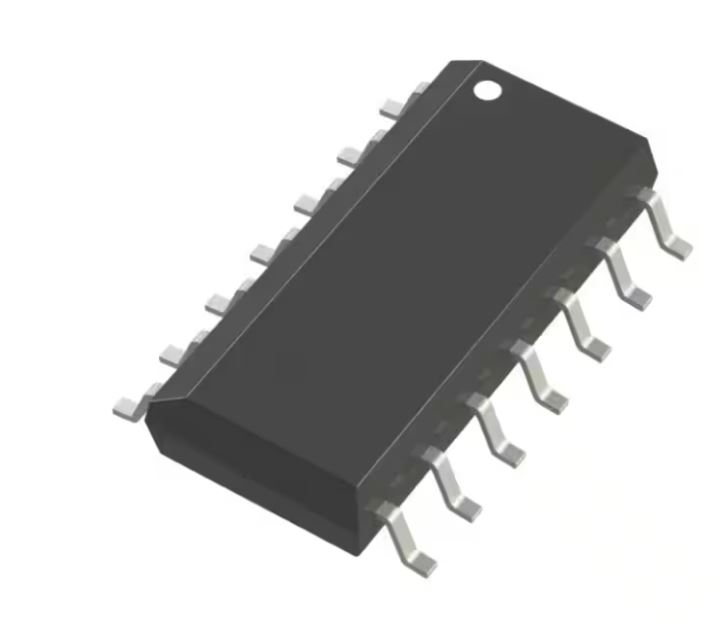
Choice: BD1321G-TR
Rationale: Our team chose this OpAmp because it meets class requirements and is able to be surface mounted, it is a general person OpAmp which means our team could use it for multiple subsystems, and it meets the acceptable voltage range required for our design.
Anemometer
| Solution | Pros | Cons |
|---|---|---|
Anemometer No. 1528-1328-ND Price: $44.95 Each |
|
|
Motor Part No. 505-AD8630ARZ-ND Price:$ 3.86 Each |
|
|
Motor Part No. 3567-PAV1015-ND Price: $49.00 Each |
|
|
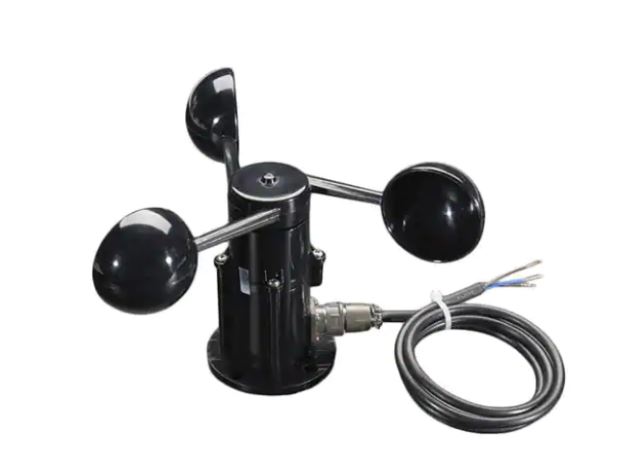
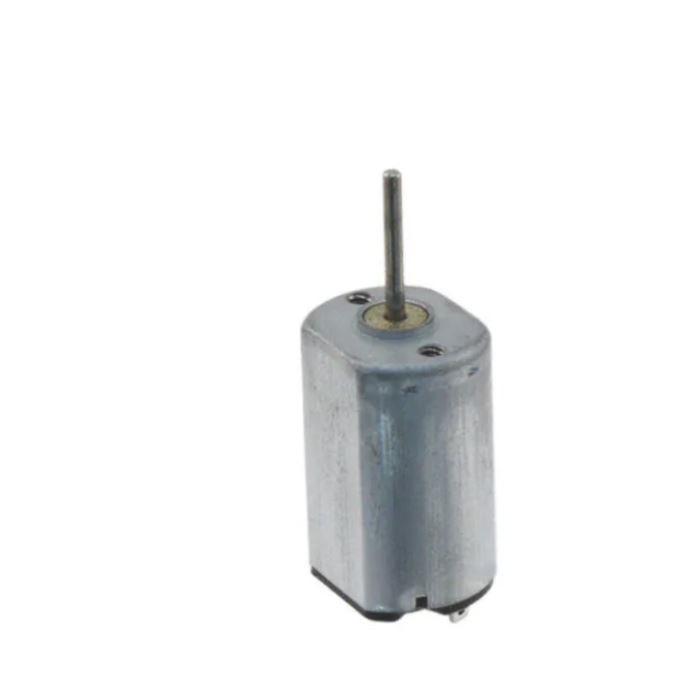
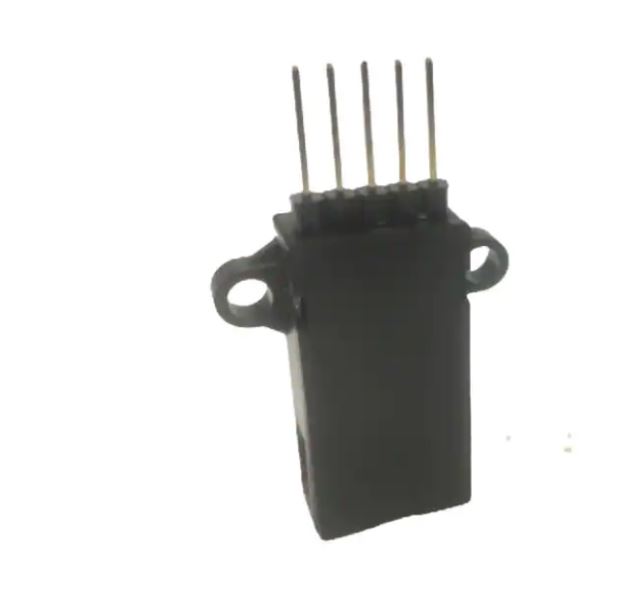
Choice: 505-AD8630ARZ-ND
Rationale: We chose this component as it is the most realistic for this type of project. Using a motor as an anemometer is cheap and simple with a constructed wind cup. As an input, the microcontroller can use the voltage changes produced by the motor’s rotation.
Analog to Digital Converter (ADC)
| Solution | Pros | Cons |
|---|---|---|
<img src="7.JPG"width:20%;height:20% /> ADC Part No. 584-AD7858ARZ Price: $29.15 Each |
|
|
ADC Part No. 595-ADS8924BRGET Price: $13.22 Each |
|
|
ADCr Part No. 595-TLV1543CDW Price: $8.88 Each |
|
|
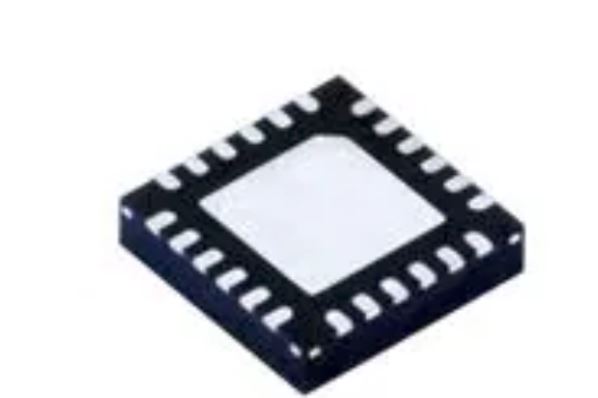
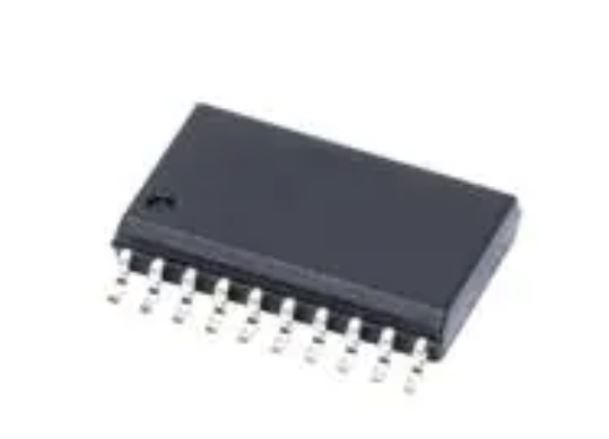
Choice: 595-ADS8924BRGET
Rationale: Due to the moisture sensitivity the first option is unrealistic; another subsystem is meant to detect moisture. The single output can be worked with since the component is small and the pcb would only need to fit two or three. The only other physical contradiction to the choice would be soldering difficulty.
Switching Voltage Regulator
| Solution | Pros | Cons |
|---|---|---|
Switching Voltage Regulator Part No. LTC1502CS8-3.3#PBF Price:$3.42 Each |
|
|
Switching Voltage Regulator Part No. MC7805BDTG Price: $0.67 Each |
|
|
Switching Voltage Regulator Part No. MCP1700T-3102E/TT Price: $0.50 Each |
|
|
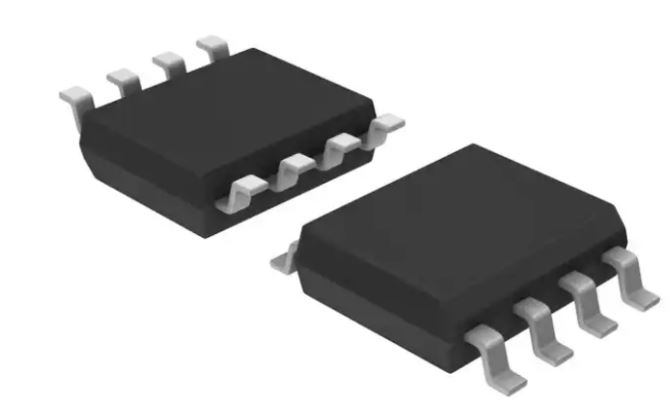
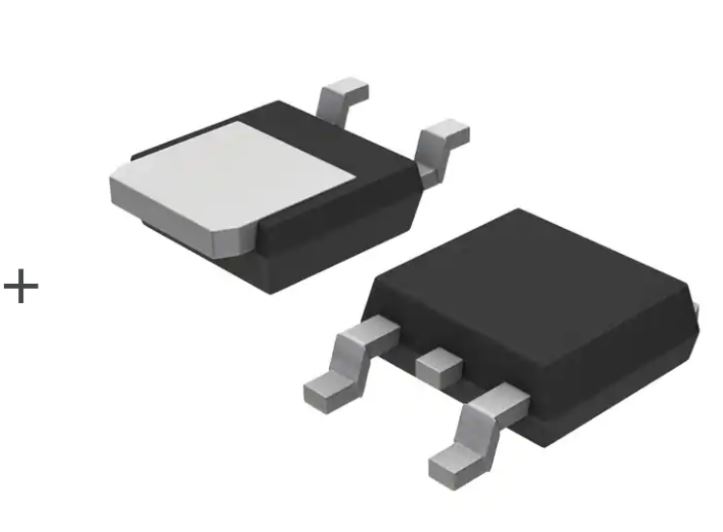
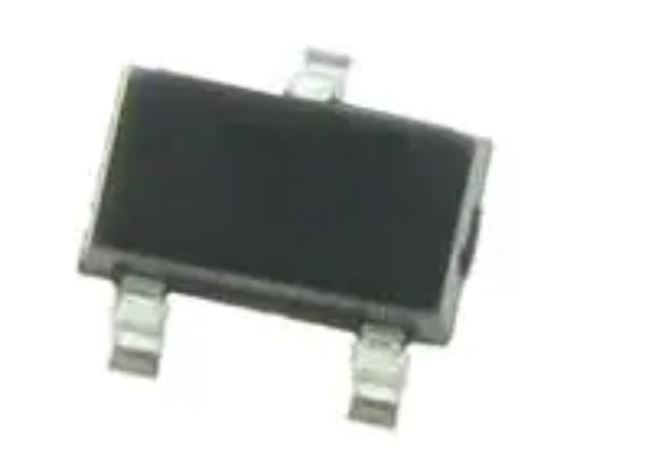
Choice: MCP1700T-3102E/TT
Rationale: The team chose this regulator to simplify what we have to do to meet the requirements. It was fairly difficult to find a regulator that accepts 9 volts and outputs a fixed 3.3 volts. Amplifying the output voltage would be simpler than regulating it or decreasing the input voltage by 8V.
Motor Driver
| Solution | Pros | Cons |
|---|---|---|
Motor Driver Part No. IFX9201SGAUMA1 Price:$4.88 Each |
|
|
Motor Driver Part No. EMC2301-1-ACZL-TR Price: $1.24 Each |
|
|
Motor Driver Part No. EMC2305-1-AP-TR Price: $2.46 Each |
|
|
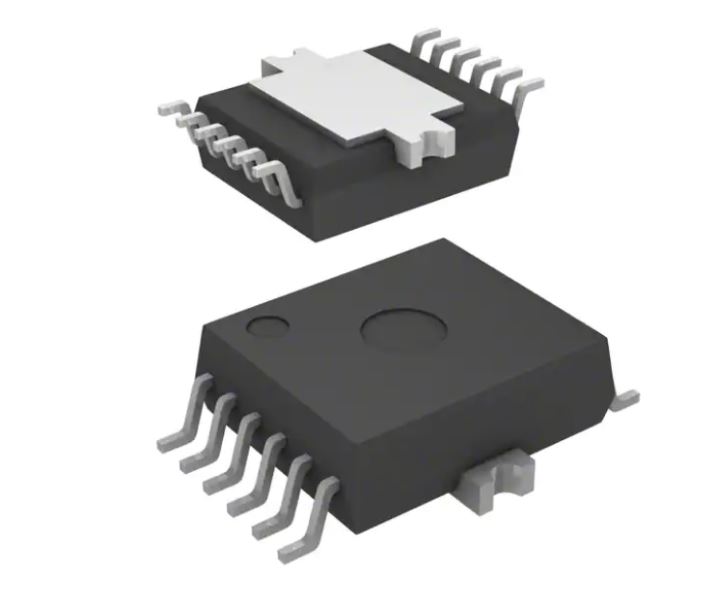
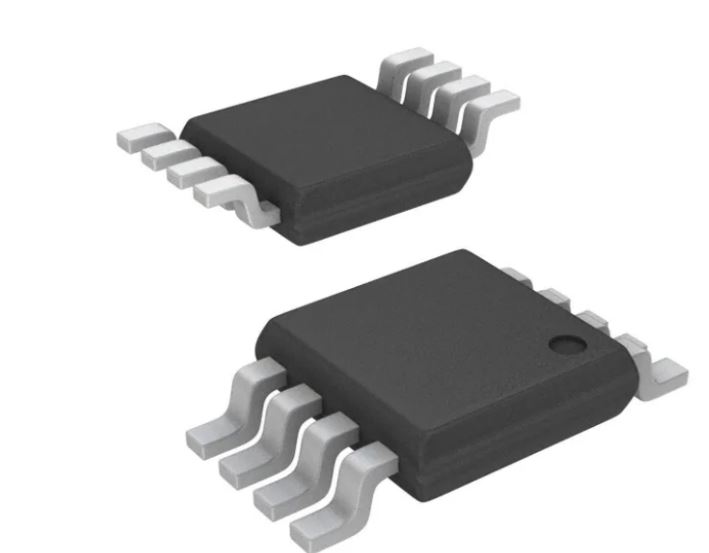
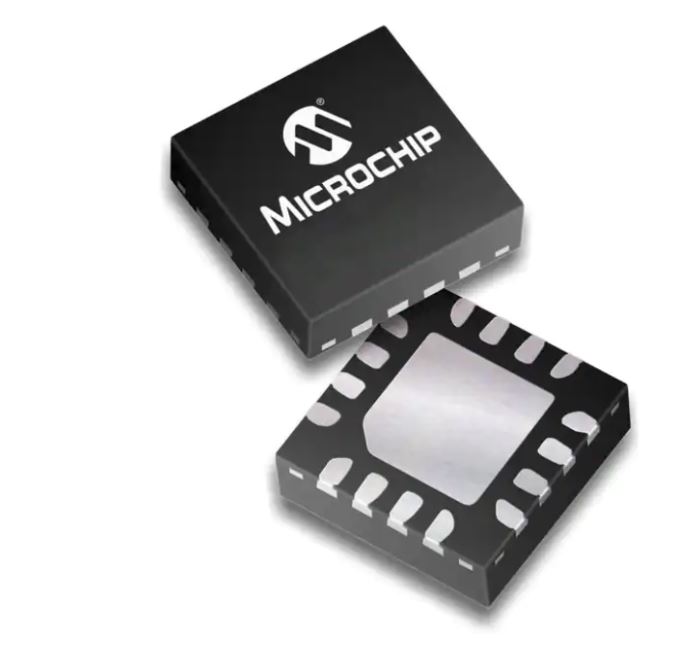
Choice: IFX9201SGAUMA1
Rationale: Our team chose this motor driver as we already have access to it through the adjacent storage room. Minimal soldering will be needed to implement it in a given circuit. Also, the component’s functionality will necessitate a voltage regulator, which is included as a subsystem. This motor driver should be able to relay the PWM signal from the microcontroller with minimal effort.
Power Budget:
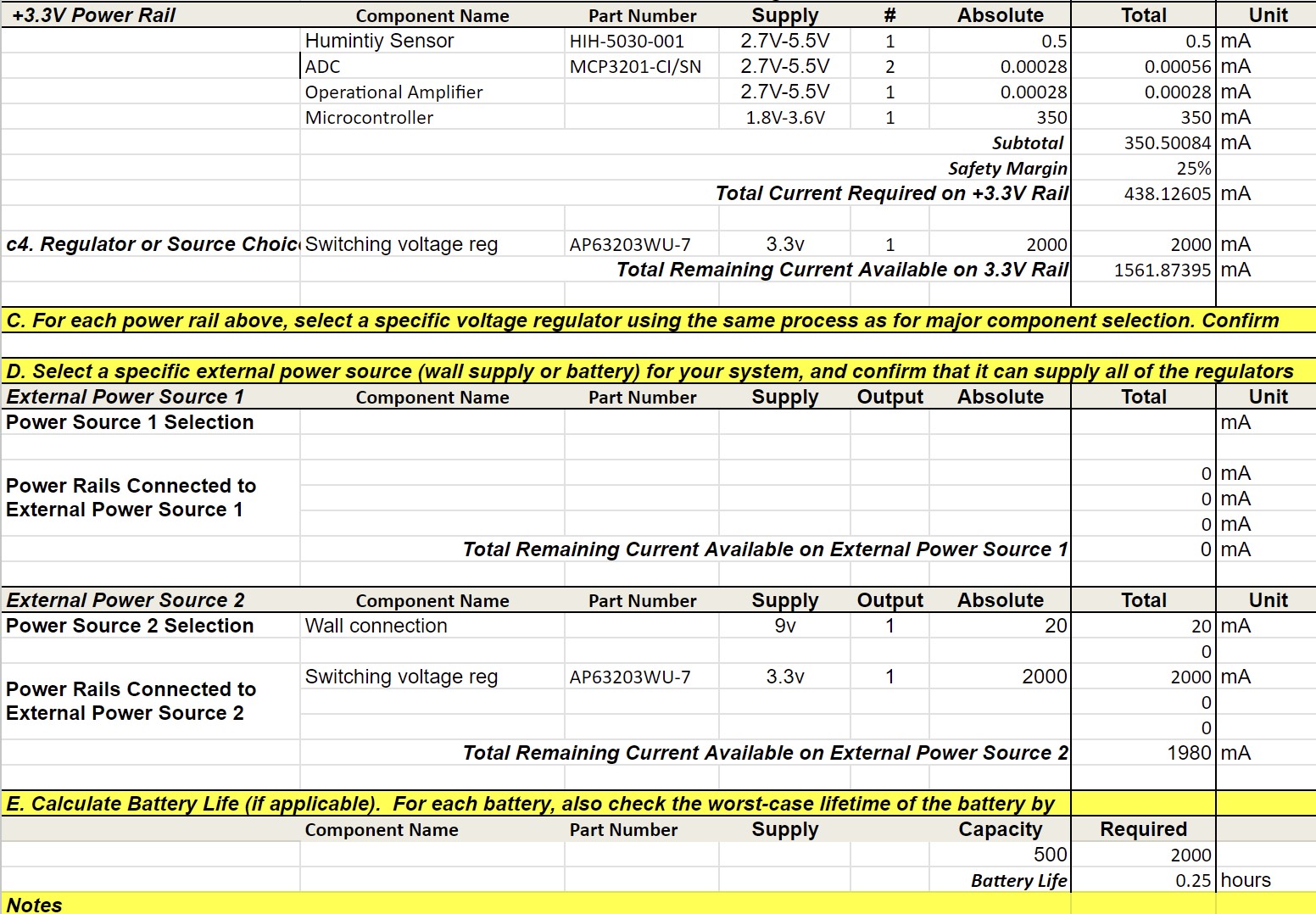
This is the power budget for all of our main components It shows our device is to run for 160 hours on a 9 volt battery. Meaning we have about a week of runtime.